
Practical guidance to help businesses review workplace incidents, identify causes, and improve safety systems while meeting UK health and safety responsibilities.
Expert support to help businesses investigate workplace incidents, understand root causes, improve reporting procedures, and strengthen safety controls across their operations.
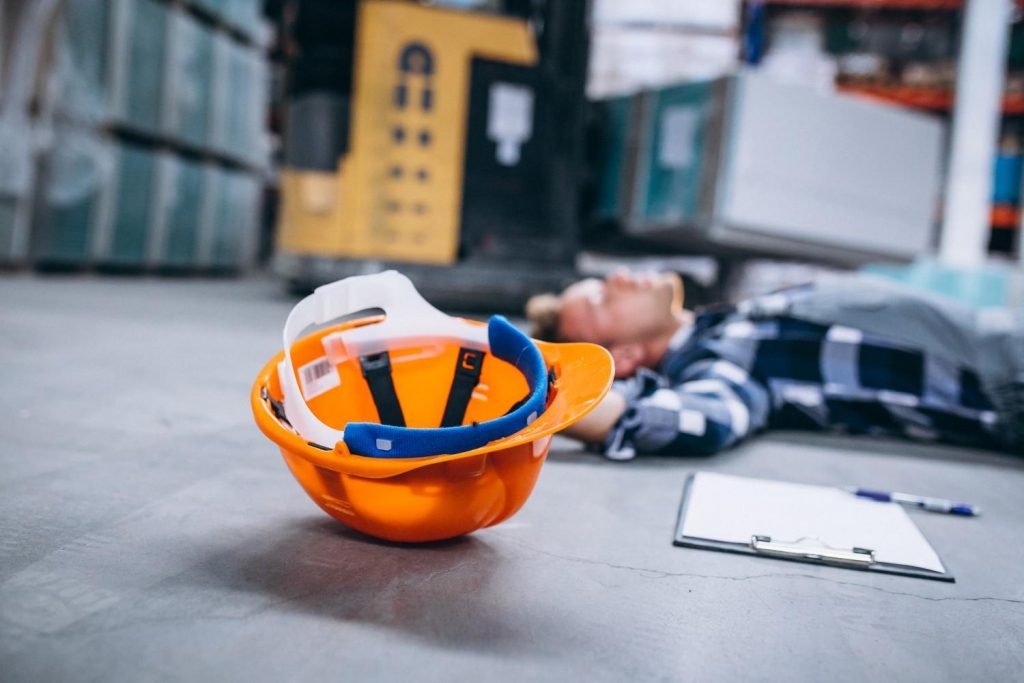
Workplace incidents can happen without warning. A fall and a tool failure, a near miss. Even small events deserve attention. Ignoring them invites larger problems later.
Businesses must understand what happened and why. That is the purpose of incident and accident investigation. The process looks beyond the surface. It studies the chain of events.
Managers review the work area first. They check equipment, tasks, and conditions. Witness accounts may also help. Small details often reveal key facts.
In the UK, employers must review serious incidents carefully. Safety law expects responsible action after an event. A proper investigation helps meet this duty.
Clear investigation protects both people and operations. It prevents repeat accidents. It also improves workplace safety systems. The findings guide practical improvements. Procedures may change. Training may increase. Controls may become stronger. Below are the main elements involved in a structured investigation process.
Accidents cause injury or property damage. These events require careful review. An accident investigation studies how the event occurred. Investigators examine the environment first. They look at tools, equipment, and safety controls.
Witness accounts can offer useful insight. Workers may notice details managers miss. Photos and records also help build a timeline. A structured incident and event review identifies factors behind the event. Sometimes equipment failure is involved. Other times, unsafe procedures play a role.
Understanding these factors allows businesses to act quickly. Corrective measures can then be introduced. Work procedures may change. Additional safety training may follow.
Event reviews also help organisations learn from mistakes. The goal is not blame. The focus stays on prevention. Over time, reviewing accidents helps reduce repeat incidents. Workplaces become safer and better prepared.


Not every incident causes injury. Some events result in near misses. Others create unsafe conditions. An incident investigation reviews these situations carefully. Even small incidents can reveal hidden risk.
Investigators examine what happened and why. They study the sequence of events. Equipment condition may be checked. Work procedures may also be reviewed.
Part of a wider incident and accident investigation process involves gathering clear evidence. Photographs, reports, and staff observations help build understanding.
Safety reviews after incidents help businesses detect weak safety controls. A near miss may show where procedures fail. When organisations respond early, larger accidents can often be avoided. This makes this process a valuable safety tool.
Regular reviews also improve safety awareness among workers. Teams become more alert to potential hazards.
Clear workplace incident reporting helps organisations track safety events. Staff should report incidents as soon as they occur. A reporting system records what happened, where it happened, and who was involved. These records support a wider incident and accident investigation.
Managers can then review the situation properly. Accurate reports make investigations easier. Workers play an important role in this process. When employees report hazards quickly, risks can be addressed sooner.
Incident reporting also creates useful safety data. Patterns may appear over time. Repeated issues often highlight deeper safety problems. By studying reports, businesses can strengthen prevention measures. This improves long-term workplace safety.


Root cause analysis looks beyond the visible event. It asks a simple question. Why did it happen? The first cause is not always the real one. A worker’s action may seem responsible. But deeper factors often exist.
Investigators review tasks, tools, and conditions. They also study training and supervision. Sometimes poor communication creates risk. Other times, procedures are unclear.
This stage forms part of the incident and accident investigation. It helps uncover the true source of the problem.
Equipment design may contribute to the event. Workload pressure can also influence safety decisions. Even small system failures can lead to incidents.
Once the root cause becomes clear, real change can begin. Procedures may be improved. Training may become stronger. Work methods may also change.
Root cause analysis shifts focus from blame to learning. It helps businesses prevent similar incidents later. Over time, workplaces become safer and better prepared.
Practical guidance to help businesses review incidents, identify root causes, strengthen reporting procedures, and improve workplace safety systems while meeting UK health and safety responsibilities.
“We help organisations manage workplace risks through practical training, safety audits, and clear health and safety documentation.”
Copyright © 2026 Prosafe.
Prosafe Health & Safety Consultants is a Trade name of Stemset Ltd, company number 10615730
All rights reserved.
Web Design by Midland Marketing.